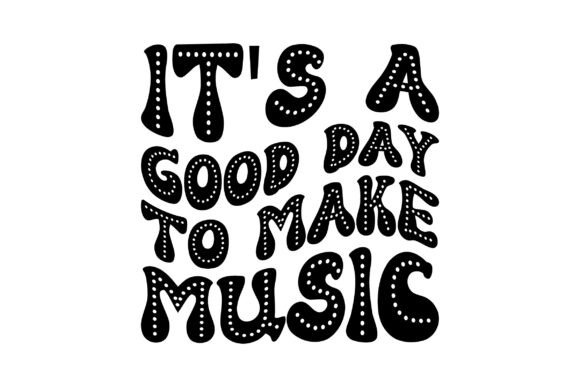
Retro It’s a Good Day to Make Music Svg Review
As someone who has spent years digitizing patterns and testing stitches on everything from heavy denim to delicate muslin, I approach every new design file with a mix of curiosity and skepticism. The market is flooded with generic clipart that looks fine on a screen but falls apart under the needle. Recently, I came across the Retro It s a Good Day to Make Music Svg, and I decided to put it through its paces. This isn’t just about whether the lines are clean; it’s about how this embroidery project translates into a tangible, sellable handmade product. If you are an Etsy seller, a boutique owner, or a crafter looking to add some vintage flair to your shop, here is my honest breakdown of what works, what requires caution, and where this machine embroidery design truly shines.
First Impressions: Mood and Visual Personality
The moment you load the Retro It s a Good Day to Make Music Svg into your software, the vibe is immediate. It taps into that nostalgic, mid-century modern aesthetic that never really goes out of style. The typography feels bold and cheerful, evoking a sense of optimism and creative joy. For designers, this mood is valuable because it resonates with specific niches: music lovers, teachers, musicians, and parents who want to encourage creativity in their children.
Visually, the layout is balanced. It doesn’t feel cluttered, which is a common pitfall in retro-themed designs. The shapes are distinct, allowing for clear separation between elements if you choose to use applique techniques. However, as an experienced reviewer, I always look at the negative space. In this case, the spacing allows for good breathability, meaning the fabric underneath can show through without making the design look thin or unfinished. It feels like a custom apparel design that could easily sit on a chest pocket or a large tote bag without overwhelming the garment.
Real-World Application: From Screen to Stitch
Let’s talk about practical use. I envisioned this design being used on a few specific items before committing to a full production run. First, the tote bag design application seemed the most natural. A canvas tote embroidered with this retro message creates an instant conversation starter. The contrast between the rugged texture of canvas and the smooth threads of the design would create a nice tactile experience for the buyer.
Another strong candidate is sweatshirt embroidery. Imagine a heather grey crewneck with this design centered on the back or placed over the heart. The retro theme fits perfectly with the casual, cozy nature of sweatshirts. For baby embroidery, this design could be adapted for a onesie or a nursery wall hanging. The playful tone makes it suitable for a child’s room, especially for parents who appreciate music or art. It also works well as a personalized gift for a music teacher or a band member, adding a layer of thoughtfulness that mass-produced items lack.
I also considered its potential as an embroidered patch. If digitized correctly with a sturdy border, this design could serve as a detachable badge for jackets, backpacks, or hats. This versatility is a key indicator of a high-quality digital embroidery file. It isn’t locked into one format; it adapts to the needs of the maker.
Technical Considerations and Potential Pitfalls
While the design has strong visual appeal, no embroidery file is perfect for every situation. There are several areas where you need to exercise professional judgment.
- Hoop Size Constraints: Always check the recommended hoop size for this design. If you attempt to stitch it on a very small hoop, such as one intended for a cap or a tiny baby item, you may lose critical details. Small lettering or intricate curves might merge together, resulting in a muddy finish.
- Fabric Texture and Stability: This design performs best on stable fabrics. Avoid using it on highly textured materials like chunky knits or loose-weave linens unless you are using a heavy-duty stabilizer. On stretchy fabrics, such as jersey knit t-shirts, ensure you have adequate tear-away or cut-away support to prevent puckering.
- Stitch Density: Pay close attention to the stitch density in the fill areas. Retro designs often rely on thick blocks of color. If the density is too high, the fabric may become stiff and uncomfortable, especially on wearable items like custom apparel. Conversely, if the density is too low, the backing material might show through, ruining the finished product value.
- Thread Color Contrast: The success of this design hinges on thread selection. On dark fabric, you will need bright, saturated threads to make the retro colors pop. On light fabric, you have more flexibility, but pastels might get lost if the design lacks sufficient depth. Test your thread colors on scrap fabric first to ensure the contrast is sharp.
Impact on Brand and Customer Trust
For those of us running a craft business or selling on platforms like Etsy, presentation is everything. A well-executed embroidery project builds trust. When a customer receives a small shop product where the stitching is clean, the edges are neat, and the design aligns perfectly with the item’s aesthetic, they are more likely to leave a positive review and return for future purchases.
The Retro It s a Good Day to Make Music Svg has the potential to elevate your brand consistency. Because the style is timeless, it appeals to a broad demographic. It doesn’t feel trendy in a way that will date quickly, which is crucial for long-term inventory planning. Furthermore, creating printable mockups with this design allows you to preview how it looks on different products without physically stitching every single variation. This saves time and helps you market your design assets effectively.
Practical Tips for Embroidery Designers
- Test Before You Sell: Never assume a file will work perfectly out of the box. Stitch a test sample on the actual fabric you plan to use. Check for thread breaks, tension issues, and alignment.
- Review in Black and White: Convert your design to grayscale in your software. This helps you see if the contrast levels are sufficient. If the design looks flat in black and white, it will likely look weak in color.
- Inspect Small Details: Zoom in on any tiny text or decorative accents. These are the first things to fail during stitching. If they are too small, consider simplifying the design or increasing the font size.
- Check Licensing: Before listing any commercial embroidery items for sale, verify the license terms provided by the creator. Ensure you have the right to sell finished goods made from this file.
- Use Proper Stabilizer: The choice of stabilizer can make or break the final look. For lightweight fabrics, use a water-soluble top stabilizer to prevent sinkage. For heavy fabrics, a cut-away stabilizer provides lasting support.
Final Verdict
The Retro It s a Good Day to Make Music Svg is a solid addition to any designer’s library. It offers a versatile, visually appealing option for a variety of Graphics and Crafts projects. Whether you are creating holiday embroidery gifts, updating your apparel decorator portfolio, or simply enjoying a weekend crafting session, this design delivers on its promise of retro charm.
It is particularly well-suited for makers who value clarity, nostalgia, and broad appeal. By paying attention to the technical details—such as stitch density, fabric choice, and stabilization—you can transform this digital file into a professional-grade finished product that customers will love. Just remember to do your homework, test thoroughly, and let the quality of your work speak for itself. If you are looking to add a touch of musical joy to your next project, this design is definitely worth considering.