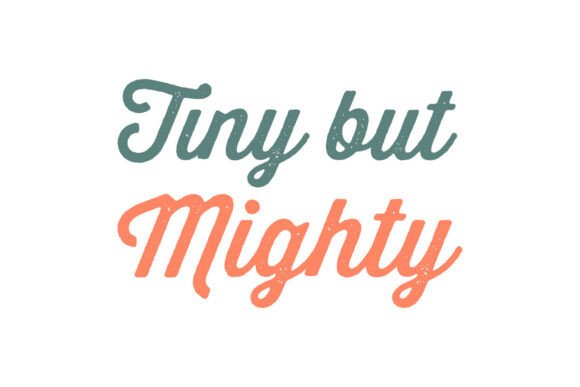
Tiny but Mighty Retro Wavy Svg Design
When I am evaluating a new digital asset for my embroidery studio, I don’t just look at the preview image. I look at how it will translate from a screen to fabric. As an experienced designer and reviewer, I spend hours thinking about stitch density, thread contrast, and the emotional resonance of a design before it ever touches a needle. Recently, I put the Tiny but Mighty Retro Wavy Svg Design through its paces. This file, categorized under Crafts and Graphics, promises a blend of nostalgic charm and modern versatility. But does it hold up in real-world application? Here is my practical assessment for embroidery designers, small business owners, and crafters who need to know if this design belongs in their workflow.
First Impressions: Mood and Visual Personality
The moment you open the file, the retro wavy aesthetic jumps out. It captures that specific mid-century modern vibe that has been dominating interior decor and apparel for years. The "Tiny but Mighty" moniker suggests a compact footprint with high impact, which is exactly what I look for in efficient production runs. The lines are smooth, creating a sense of movement that feels playful yet polished. It isn’t chaotic; it is controlled chaos, which is crucial for embroidery. If a design looks messy on screen, it will look tangled and frustrating under the hoop. This design, however, maintains clarity even when scaled down, making it an excellent candidate for delicate work or subtle branding elements.
Visually, it creates a mood of approachable nostalgia. It feels like something you would see on a vintage surf shop sign or a classic diner menu, reimagined for contemporary tastes. For the embroidery project enthusiast, this translates to a piece that feels both timeless and trendy. It doesn’t scream for attention with loud graphics; instead, it invites the viewer to appreciate the texture and form. This subtlety is often where high-end custom apparel finds its success, distinguishing boutique items from mass-produced merchandise.
Real-World Application: From Screen to Stitch
I tested this concept across several common use cases to see how the Tiny but Mighty Retro Wavy Svg Design performs as a functional machine embroidery design. The first scenario was a custom embroidered tote bag for a local artisan market. The wavy lines provided a perfect background texture that complemented rather than competed with any potential text or logo placed nearby. On canvas, the design held its shape well, offering a soft, organic frame that elevated the simple utility of the bag into a stylish accessory.
Next, I considered its suitability for baby clothes and nursery decor. The rounded, flowing nature of the waves makes it gentle and safe-looking, devoid of sharp angles that might feel harsh in a nursery setting. When used as an accent on a onesie or a quilt border, it adds a touch of whimsy without overwhelming the softness of the garment. For personalized gift creators, this design offers a neutral-yet-stylish base that can be customized with names or dates, increasing its perceived value for Etsy sellers looking to create unique listings.
In the realm of sweatshirt embroidery, the design shines as a chest-level accent or a back-print statement. The retro vibe pairs exceptionally well with heavyweight cottons and fleece, materials that provide the stability needed for clean stitching. I also envisioned this design on kitchen towels and aprons. The wavy pattern breaks up the solid color of these items, adding a layer of visual interest that makes a humble kitchen tool feel like part of a curated home collection. For the craft business owner, this versatility means one digital purchase can spawn multiple product lines, from holiday embroidery collections to everyday wearables.
Technical Considerations and Potential Pitfalls
No design is without its challenges, and honest review requires acknowledging where caution is needed. While the Tiny but Mighty Retro Wavy Svg Design is visually appealing, its performance depends heavily on execution. One area to watch is the stitch density. If the file is converted to embroidery with too much fill, it can become stiff and heavy, especially on thin fabrics. I recommend reviewing the stitch count carefully and opting for lighter coverage techniques whenever possible to maintain the fabric’s drape.
Fabric selection is another critical factor. The design relies on clear definition to convey its wavy character. On highly textured fabrics like chunky knits or bouclé, the details may get lost, resulting in a muddy appearance. Similarly, stretchy fabrics require careful stabilization to prevent distortion. Without proper stabilizer support, the waves could pucker or shift during the stitching process, ruining the professional finish. I always advise testing on scrap fabric first to gauge how the material interacts with the chosen threads.
Color contrast cannot be overstated. The retro aesthetic often benefits from bold, saturated colors, but if your thread choice lacks sufficient contrast against the base fabric, the design will flatten out. I suggest experimenting with different thread colors to find the right balance. Additionally, because the design features curves, it may present challenges on curved surfaces like caps or hats. Ensuring the design is digitized with appropriate underlay stitches will help it conform smoothly to the curve without gaps or tension issues.
Practical Designer Notes for Success
- Test Before You Sell: Always run a test stitch-out on the actual fabric you plan to use. This reveals issues with tension, puckering, or detail loss that aren't visible on screen.
- Check Licensing: Confirm whether the digital embroidery file allows for commercial use. Many assets have restrictions on how many finished products can be sold, which is vital for Etsy seller compliance.
- Mockup Wisely: Create black and white mockups to evaluate the design’s structure independently of color. This helps ensure the composition works regardless of the palette.
- Stabilize Properly: Use cut-away stabilizers for stretchy garments and tear-away for stable woven fabrics to maintain integrity during and after stitching.
- Inspect Small Details: Zoom in on the finest lines of the design. Ensure they are thick enough to stitch clearly without breaking or fraying, especially if using finer gauge threads.
Final Verdict: A Versatile Asset for Creative Entrepreneurs
The Tiny but Mighty Retro Wavy Svg Design is more than just a pretty picture; it is a functional tool for designers who understand the nuances of textile art. Its retro charm and adaptable layout make it suitable for a wide range of applications, from embroidered patch collections to sophisticated apparel decorators projects. While it requires thoughtful execution regarding fabric choice and stabilization, the payoff is a high-quality, desirable product that resonates with customers seeking handmade authenticity.
For those looking to expand their design assets library, this design offers strong value. It bridges the gap between hobbyist creativity and professional output, allowing makers to produce items that feel both personal and polished. Whether you are creating a single personalized gift for a friend or building a catalog of small shop product offerings, this design provides a reliable foundation for success. By paying attention to the technical details discussed above, you can ensure that the final result matches the promise of the initial concept, delivering a finished product that stands out in a crowded marketplace.