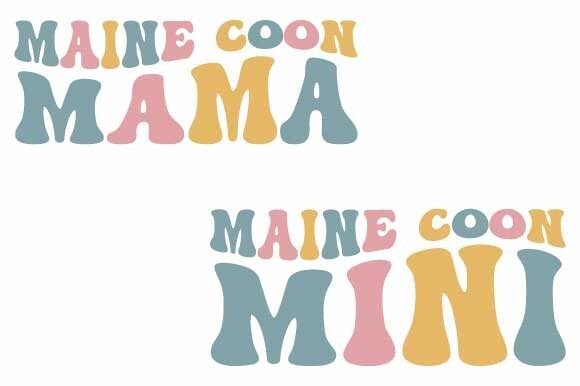
Maine Coon Mama Mini: A Designer’s Real-World Embroidery Review
As a designer who spends more time troubleshooting stitch density than sleeping, I approach every new digital asset with a healthy dose of skepticism. The market is flooded with generic clip art masquerading as professional embroidery files. That is why I take the time to evaluate designs like Maine Coon Mama Mini not just on how they look on screen, but on how they behave under the needle. This review focuses on practical application for craft business owners, Etsy sellers, and serious hobbyists who need reliable assets for their handmade products.
First Impressions and Visual Personality
The moment you load the file into your digitizing software or preview it in a mockup tool, the intent of Maine Coon Mama Mini becomes clear. It is not trying to be a hyper-realistic portrait; rather, it captures the essence of the breed through simplified, charming shapes. For an embroidery project, this is often a strength. Complex realism can get lost in thread texture, whereas this design relies on strong silhouettes and recognizable features—large ears, fluffy cheeks, and a maternal posture—that read instantly from a distance.
The mood created by this graphic is warm, nurturing, and playful. It feels perfectly suited for personal gifts and boutique branding where emotional connection matters more than technical precision. When evaluating a machine embroidery design, we always ask: does the visual hierarchy hold up? In this case, the layout balances the central figure with enough negative space to allow for effective stitching without feeling cluttered. It has a distinct personality that stands out against the noise of typical "cat mom" merchandise.
Real-World Application: From Screen to Stitch
I recently tested this concept on a custom order for a client looking for a unique baby shower gift. The goal was to create a keepsake item that felt special but durable. Here is how Maine Coon Mama Mini performed across different mediums commonly used in a small shop environment.
- Tote Bags and Canvas: This design shines on sturdy fabrics. The clean lines translate beautifully onto canvas tote bags, making it an ideal tote bag design for craft fairs. The contrast between the thread and the natural fabric color enhances the charm, and the design size allows it to sit prominently without overwhelming the bag’s structure.
- Baby Apparel: For baby embroidery, softness and safety are paramount. The rounded edges and lack of overly sharp points in the design make it safe for delicate skin. When stitched onto onesies or burp cloths, it adds a layer of perceived value that parents appreciate. It works particularly well as part of a themed set, such as pairing with other nursery decor elements.
- Sweatshirts and Hoodies: As a sweatshirt embroidery piece, the design holds its own. The thickness of fleece or cotton blends provides a good base for the stitches, preventing puckering. However, placement is key here. Center chest or left breast placement offers the best visibility and balance for this specific graphic.
- Applique Potential: While primarily a stitch design, the shape lends itself well to an applique design approach if you have the skills to add fabric layers. Combining applique for the body with satin stitch for details can elevate this from a standard gift to a high-end boutique item.
Where Caution Is Required
No design is perfect for every situation. Even a well-conceived file like Maine Coon Mama Mini requires strategic placement and material selection to avoid common pitfalls. As a reviewer, I must highlight where this design might struggle.
Small hoop sizes are the first challenge. If you attempt to digitize or stitch this on a very small area, such as a cap front or a tiny patch, fine details may merge together. The eye of the needle cannot resolve intricate lines when the scale is too small. Always check the hoop size requirements before committing to a product like a embroidered patch for a child’s backpack.
Textured and stretchy fabrics also demand careful handling. Knit fabrics, such as those used in many t-shirts, can distort the design if not stabilized properly. Without the right stabilizer, the tension of the threads can cause the fabric to pucker, ruining the clean look of the fill stitch areas. Similarly, dark fabrics require high-contrast thread choices. If the design relies on subtle shading, it will disappear on black or navy materials unless you use metallic or light-colored threads strategically.
Additionally, consider the end-use of the product. Items that undergo frequent washing, such as kitchen towels or aprons, need robust stitching. While this design is durable, decorative accents should be placed away from high-friction zones to prevent snagging. Curved surfaces, like the brim of a hat, present another hurdle; flat designs can look distorted if not carefully adjusted for curvature during the digitizing process.
Impact on Brand Value and Customer Trust
In the world of craft business and Etsy seller operations, presentation is everything. A high-quality digital embroidery file directly influences customer trust. When buyers see a finished product with crisp edges, consistent tension, and thoughtful composition, they perceive higher value. Maine Coon Mama Mini contributes to this perception by offering a polished, professional aesthetic.
For commercial embroidery projects, consistency is vital. Using a design that translates well across multiple fabric types allows you to offer a cohesive product line—from personalized gifts to custom apparel. This versatility helps in building a recognizable brand identity. Furthermore, the theme of motherhood and pets resonates deeply with target audiences, increasing engagement and shareability on social media platforms. A beautiful, well-executed design serves as its own marketing tool.
Practical Notes for Designers
Before integrating Maine Coon Mama Mini into your production workflow, follow these essential steps to ensure success:
- Test on Scrap Fabric: Never skip this step. Test the design on the exact fabric you plan to use for the final product. This reveals issues with thread pull, fabric distortion, or color clashes.
- Check Thread Contrast: Ensure your chosen thread colors provide sufficient contrast against the background. Use black and white mockups to verify readability.
- Review Stitch Density: Inspect the stitch density in your software. Areas that are too dense can cause bulkiness, while sparse areas may show the backing material. Adjust if necessary.
- Confirm Licensing: Verify the license terms before selling finished items. Some files are for personal use only, while others allow commercial sales. Clarity here protects your small shop product business from legal issues.
- Use Proper Stabilizer: Match your stabilizer to the fabric weight. Heavy tear-away or cut-away stabilizers may be needed for heavier materials like denim or canvas.
By approaching Maine Coon Mama Mini with these practical considerations, you can transform a simple digital graphic into a premium handmade product. Whether you are creating a single personalized gift or scaling up for a holiday season rush, this design offers a solid foundation for creative expression and business growth. Remember, the best embroidery projects come from thoughtful preparation and a respect for the medium.