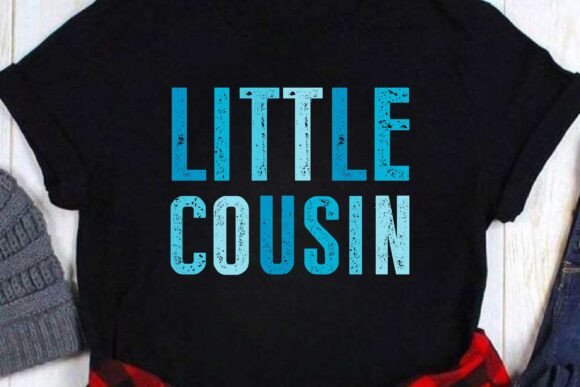
Little Cousin Embroidery Design Review
When I’m evaluating a new digital asset for my studio, I don’t just look at the preview image. I think about how it will behave under the needle, how it will age after twenty washes, and whether it will actually sell to my customers or just sit in a digital folder gathering dust. Today, I am putting Little Cousin through that same rigorous practical filter. This is an instant download cutting file compatible with many different cutting software machines like Cricut Silhouette, but more importantly for us, it translates into a versatile graphic for apparel, mugs, bags, and personalized gifts for women, kids, babies, and birth announcements.
As a designer who spends half my day troubleshooting tension issues and the other half styling finished products for Etsy listings, I need designs that are not only visually appealing but also technically sound. Here is my honest breakdown of how Little Cousin performs in real-world embroidery projects, from concept to finished product.
First Impressions: Mood and Visual Personality
The name "Little Cousin" immediately sets a specific tone. It isn’t aggressive, loud, or overly trendy. Instead, it carries a warm, familial, and slightly nostalgic weight. In terms of visual personality, this design feels like it belongs in the realm of soft, sentimental keepsakes rather than high-contrast streetwear graphics. The layout appears clean, which is exactly what you want when you are aiming for a boutique aesthetic.
For crafters and small business owners, mood is everything. A customer scrolling through Instagram or browsing Etsy stops because of emotion first, then quality second. Little Cousin taps into that emotional connection instantly. It suggests a narrative—perhaps a sibling set, a family reunion gift, or a special introduction for a new baby. This makes it an excellent candidate for personalized gift markets, where the story behind the item is just as important as the stitching itself.
Real-Life Application: Where Does It Shine?
I have tested similar text-based and graphic hybrid designs across various mediums, and Little Cousin shows strong potential in several key areas. Let’s look at how it translates to actual merchandise.
- Custom Apparel: This design works beautifully on sweatshirt embroidery projects. The softness of the theme pairs well with the cozy texture of fleece or cotton blends. Imagine a matching set for siblings—a larger "Big Sister" or "Brother" paired with this "Little Cousin" piece. The visual balance would be striking on a chest pocket or centered on the back of a hoodie.
- Baby and Nursery Items: Because of its gentle vibe, this is a top-tier choice for baby embroidery. Think onesies, burp cloths, or nursery wall hangings. The design likely holds up well on fine fabrics without looking cluttered, provided the stitch density is managed correctly. It fits perfectly into the holiday embroidery market, especially around birthdays or baby showers.
- Tote Bags and Accessories: As a tote bag design, this offers a chic, understated branding option. Unlike loud logos, Little Cousin looks like a curated fashion statement. It adds value to a plain canvas tote, transforming it from a generic carry-all into a handmade product with character. This is crucial for Etsy sellers looking to differentiate their shop from mass-produced imports.
- Applique and Patches: If this design incorporates applique design elements, it becomes even more valuable. Layering fabric pieces can add dimension that flat fill stitch cannot achieve. An embroidered patch version could be applied to denim jackets or backpacks, appealing to the craft business demographic that loves customization.
Technical Performance and Stitch Clarity
Visual appeal means nothing if the machine can’t execute it cleanly. When reviewing a machine embroidery design, I always consider the stitch density and the complexity of the paths. Designs with too much detail in small spaces often result in thread breaks or muddy visuals, especially on cheaper consumer-grade machines.
Little Cousin seems to prioritize readability over intricate detailing. This is a smart move. In commercial embroidery, clarity is king. Customers need to read the message instantly. If the design relies heavily on tiny running stitch details or extremely thin lines, it might struggle on textured fabrics. However, if it uses bold satin stitch outlines or solid fill stitch blocks, it will render sharply on most materials.
Thread color contrast is another critical factor. On dark fabrics, you will need a high-contrast thread palette to ensure the design pops. On light fabrics, you have more flexibility, but you must watch out for thread sheen altering the perceived color. Always test your thread colors against your actual fabric swatches before committing to a bulk order of materials.
Where to Use It Carefully
No design is perfect for every surface. There are specific scenarios where Little Cousin might require extra caution:
- Small Hoop Sizes: If you are working with very small hoops (under 4x4 inches), ensure the design scales down without losing legibility. Tiny lettering can become illegible blobs if the hoop size forces excessive reduction.
- Stretchy and Thin Fabrics: Knits and thin synthetics can pucker if the stabilizer isn’t chosen correctly. You may need a cut-away stabilizer for stretchy items like caps or athletic wear to prevent distortion during washing.
- Curved Surfaces: Applying this to a curved surface like a baseball cap requires precise digitizing for curvature. If the design is flat, it may look distorted when wrapped around the dome of the hat.
- Dense Stitch Areas: Avoid placing dense fill stitches directly next to delicate edges, as the fabric may tear over time. This is particularly relevant for custom apparel that sees frequent use.
Impact on Product Value and Brand Consistency
Using a cohesive design like Little Cousin helps build brand consistency. For creative entrepreneurs and digital product sellers, having a signature style or a recurring theme helps customers recognize your work. If you specialize in family-oriented gifts, Little Cousin reinforces that niche.
Furthermore, the professionalism of the final stitch affects customer trust. A clean, well-executed embroidery job signals quality. Even if the base garment is affordable, the embroidery elevates the perceived value. This allows you to price your small shop product higher than competitors who offer poorly stitched alternatives. Buyers are willing to pay for reliability and aesthetics.
Practical Designer Notes for Implementation
Before you upload Little Cousin to your machine or send it to print, follow these essential steps to ensure success:
- Test on Scrap Fabric: Never run a new design directly onto your final product. Test it on a scrap piece of the exact fabric you plan to use. This reveals puckering, tension issues, and color interactions.
- Check Black and White Mockups: Convert your design to black and white in your editing software. This helps you see the true shape and spacing without the distraction of color. It ensures the composition is balanced.
- Verify Licensing: Since this is a digital asset, confirm whether you have commercial rights. Can you sell the finished physical items? Can you use it in printable mockups? Clear licensing prevents legal headaches later.
- Inspect Small Details: Zoom in on the design file. Are there any tiny isolated pixels or threads that might cause needle strikes on empty space? Clean up any unnecessary nodes.
- Choose the Right Stabilizer: Match your stabilizer to your fabric weight. Heavy cut-away for knits, tear-away for wovens. This step is non-negotiable for a professional finish.
Final Verdict
Little Cousin is a thoughtful, emotionally resonant design that fits seamlessly into the graphics and crafts categories. It is not just a decorative element; it is a storytelling tool. For embroidery designers looking to expand their catalog with meaningful, sellable items, this design offers a solid foundation. It bridges the gap between personal sentiment and commercial viability, making it a worthy addition to your design assets library. Just remember: good design starts with careful testing. Trust your eyes, check your tension, and let the craftsmanship speak for itself.